


Frizz-Off Leave-In Conditioner
Choose your option

Hair Repair Mask (Anti-Frizz & Damage Control)
Choose your option


Jevan Pinky Milky Leave-in Conditioner (280ml)
Choose your option


Plumpy Curls Detangling Primer Leave-In
Choose your option


Braes Deep Conditioning Hair Mask
Choose your option

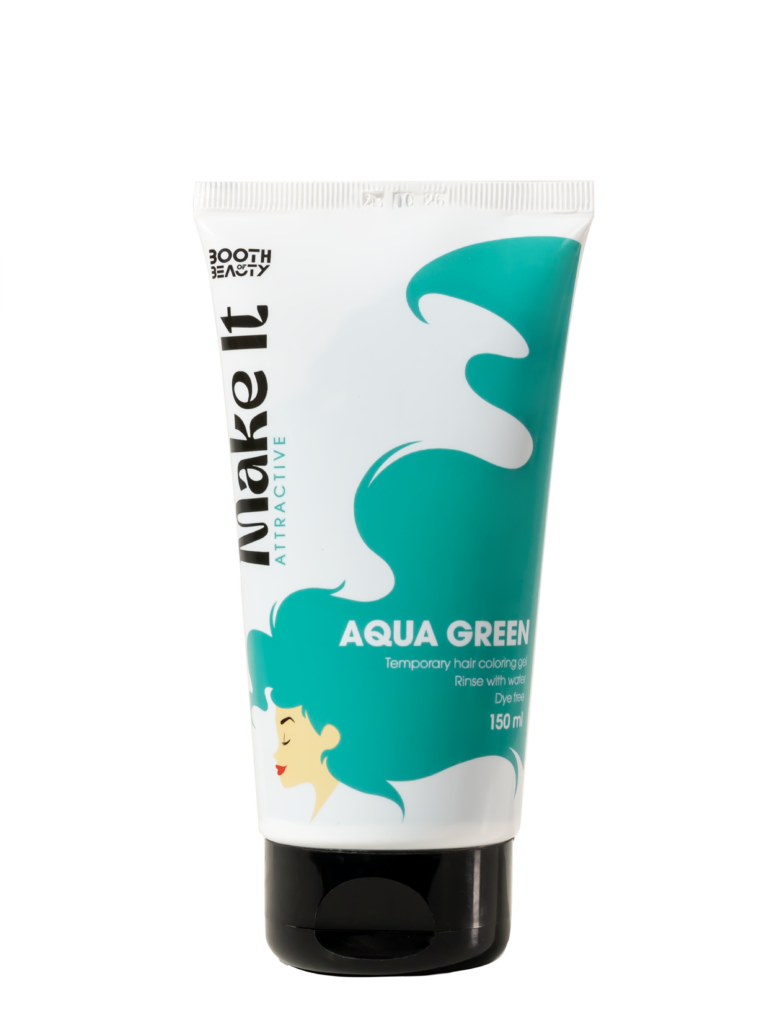
Make It Temporary Hair Coloring Gel 150 ml


Choose your option

Viral Curly Hair Styling & Defining Brush
Choose your option

Frizz Off Papaya Hair Gel
Choose your option


Curly Hair Brush & Jevan Pinky Milky Leave-in
Choose your option


Coconut Detangling Hair Mist
Choose your option


Heatless Octopus Hair Curler
Choose your option

Curly Hair Brush & Plumpy Curls Leave-in
Choose your option

O'Curls Activator
Choose your option

Gro Hair Scalp Massaging Brush
Choose your option


Choose your option


Braes Cold-Pressed Argan Oil
Choose your option


Zynah Hair Brush + Braes Hair Serum(50ML)
Choose your option


Heatless Hair Curling Rod Set

Choose your option

Braes Damage Repair Bundle
Choose your option


Braes Revitalizing Conditioner
Choose your option
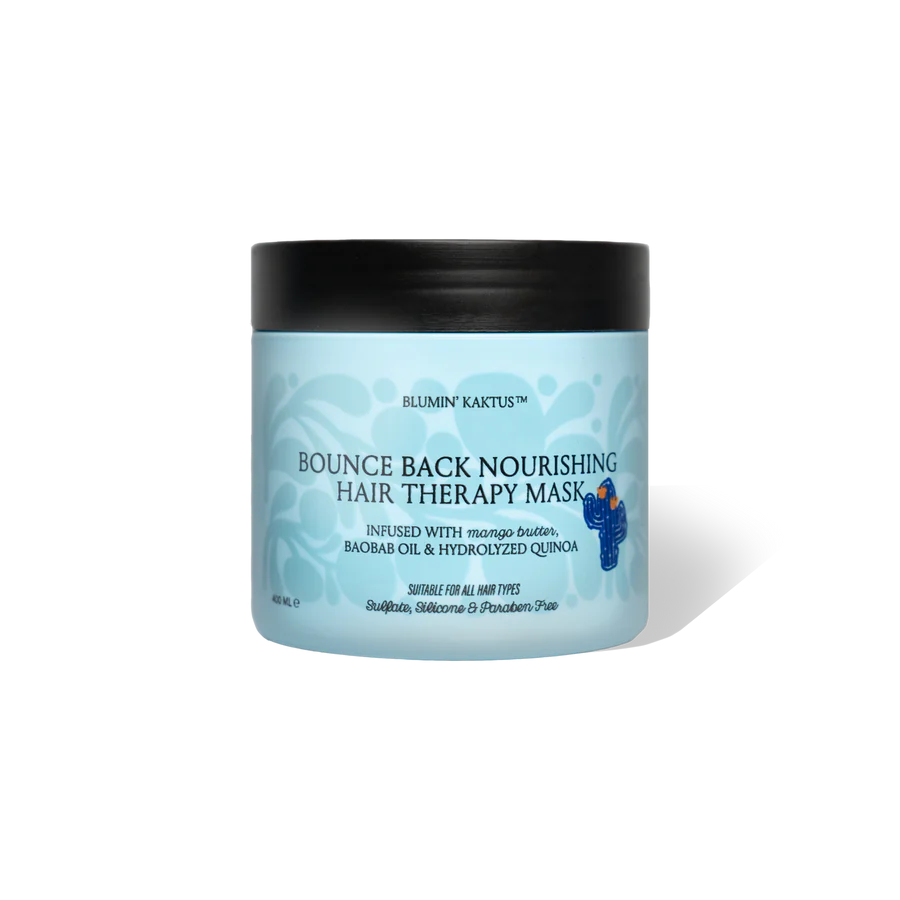
Bounce Back Nourishing Hair Therapy Mask
Choose your option


Plumpy Curls Silicone Free Conditioner
Choose your option


Sulphate Free Shampoo Plumpy Curls
Choose your option

A Touch of Gold Silicon Free Conditioner
Choose your option

Buend Cotton Candy Hair Perfume
Choose your option

Hair Mask with Coconut Oil
Choose your option

Frizz-Off Men Leave-In Conditioner
Choose your option


Frizz-Off Deep Conditioner
Choose your option

Just on Sleek Hair Wax Stick
Choose your option

Frizz Off MEN Anti-Dandruff Shampoo 250ml
Choose your option
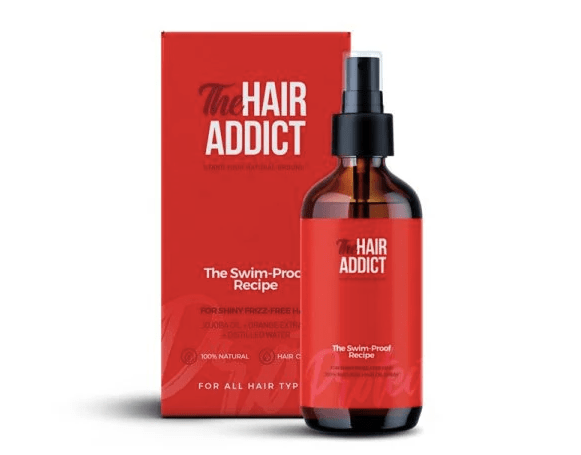

The Swim-Proof Recipe - 60 ml
Choose your option

Frizz-Off Shampoo
Choose your option

Choose your option


Booth of Beauty Hair Coloring + CT Matte Sleek Stick
Choose your option


Plumpy Curls Deep Conditioning Hair Mask
Choose your option
Hair Care: Frequently Asked Questions
1. How do I choose hair care products for my hair type?
Choose your shampoo according to your scalp’s needs, then select conditioners and styling products according to your hair’s texture, thickness and condition.
- Fine or straight hair: Start with small amounts of conditioner and leave-in products to avoid weighing down the lengths.
- Wavy hair: Look for products that improve manageability while allowing movement.
- Curly or coily hair: Prioritize conditioning, gentle detangling and styling products that help define your curl pattern.
- Dry, colored or frequently heat-styled hair: Build a routine around conditioner, occasional masks and protection from further damage.
Explore the ZYNAH Hair Care collection to compare shampoos, conditioners, masks, leave-ins and styling products.
2. Should I choose products based on my scalp or the lengths of my hair?
Consider both, because your scalp and hair lengths can have different needs. An oily scalp may need regular cleansing even when the ends feel dry, while a comfortable scalp does not necessarily mean your lengths are sufficiently conditioned.
Apply shampoo mainly to the scalp, massaging gently with your fingertips. Focus rinse-out conditioner and leave-in products on the lengths and ends unless their instructions specifically recommend scalp application. Adjust the amount according to your hair’s thickness and how easily it becomes weighed down.
3. What is the correct order for a wash-day hair routine?
A straightforward wash-day routine is:
- Shampoo: Cleanse your scalp and rinse thoroughly.
- Conditioner or mask: Apply according to the product instructions, focusing on the lengths and ends.
- Detangle: Work gently through knots, starting at the ends.
- Leave-in conditioner: Apply a small amount to damp hair if needed.
- Styling product: Add a curl cream, gel or other styler according to your preferred finish.
For example, you could start with Plumpy Curls Sulphate Free Shampoo, use the Braes Deep Conditioning Hair Mask when additional conditioning is needed, and finish with Plumpy Curls Detangling Primer Leave-In. Follow each product’s directions rather than layering every treatment at every wash.
4. How often should I wash my hair?
Wash according to how quickly your scalp becomes oily, sweaty or coated with styling products. There is no single schedule that suits every hair type.
Fine or straight hair with an oily scalp may need washing more frequently. Dry, thick, curly or coily hair may need less frequent shampooing, with more attention to conditioning the lengths. Exercise, weather and styling habits can also change your washing needs.
If your scalp feels greasy, itchy or coated, reassess your cleansing routine rather than following a fixed schedule that no longer suits you.
5. How do I choose a shampoo, and is sulfate-free shampoo always better?
Choose a shampoo that cleans your scalp comfortably without leaving your hair unnecessarily tangled or stripped. Consider scalp oiliness, styling-product buildup, hair texture and any color or salon treatment.
“Sulfate-free” describes the cleansing ingredients a formula leaves out; it does not automatically make a shampoo better for everyone. The complete formula and your scalp’s response matter.
Plumpy Curls Sulphate Free Shampoo is one option to explore. If your hair has been chemically treated, check both the shampoo instructions and your salon’s aftercare guidance.
6. Do I need conditioner every time I shampoo?
Conditioner is useful after shampooing because it improves slip, helps with detangling and makes hair easier to manage. It can be particularly helpful for longer, curly, dry or chemically treated hair.
For fine hair, start with a small amount on the ends. For thicker or drier hair, distribute it through more of the lengths. Rinse according to the instructions and adjust the quantity if your hair feels coated afterward.
You can explore Braes Revitalizing Conditioner as a rinse-out option.
7. What is the difference between conditioner, a hair mask and leave-in conditioner?
These products serve different roles:
- Rinse-out conditioner: Used after shampooing to improve softness, slip and manageability, then rinsed away.
- Hair mask: A conditioning treatment used for the time and frequency specified on its label.
- Leave-in conditioner: Designed to remain on the hair after washing to help with detangling, softness or styling.
Do not use a rinse-out conditioner as a leave-in unless the product explicitly allows it. For examples, compare the Braes Deep Conditioning Hair Mask with The Hair Addict Frizz-Off Leave-In Conditioner.
8. How can I build a routine for wavy, curly or coily hair?
Start with cleansing and conditioning, then choose styling products according to the definition and hold you want.
After washing, gently detangle with adequate slip and apply a small amount of leave-in conditioner to damp hair. Add gel if you want more hold, working in sections for even distribution. Avoid repeatedly touching your hair while it dries if doing so disrupts your curl pattern.
Curlit Leave-in Conditioner for Curly Hair and Frizz Off Papaya Hair Gel are examples of products for the conditioning and styling stages. Fine waves may need less product than thick curls or coils.
9. What should I use if my scalp gets oily but my ends are dry?
Treat the two areas differently. Cleanse the scalp as needed, then condition the mid-lengths and ends rather than applying rich products everywhere.
Start with a small amount of leave-in on the driest areas. If your roots become flat or greasy quickly, reduce the amount and keep it farther from the scalp. Oils are not a substitute for cleansing an oily scalp.
The Bath Land Rosemary & Argan Leave-in Conditioner is one option to consider for the leave-in step, used according to its directions.
10. What can help with dry, frizzy or damaged-feeling hair?
Combine conditioning with gentler handling. Use rinse-out conditioner, add a mask when needed, and consider a leave-in to improve manageability.
For example, the Braes Deep Conditioning Hair Mask can fit into a wash-day routine, while The Hair Addict Frizz-Off Leave-In Conditioner is an option for the leave-in step.
Reduce excessive heat, rough towel-drying and pulling through knots. Use a product specifically labeled for heat protection before hot tools; do not assume every oil or leave-in provides it. Conditioning can temporarily smooth the appearance of damaged lengths, but split ends cannot be permanently repaired by a cosmetic product.
11. What should I use for dandruff, flakes or an itchy scalp?
Choose a product intended for the scalp concern rather than assuming all flakes are caused by dryness. Follow the directions for application, contact time and frequency, particularly with anti-dandruff products.
The collection includes Frizz-Off MEN Anti-Dandruff Shampoo, which is marketed for men. Check its label and suitability before choosing it.
Avoid scratching or aggressively scrubbing an irritated scalp. Persistent flaking, redness, pain or itching deserves assessment by a healthcare professional, especially if you also notice hair loss.
12. Can hair care products stop shedding or make hair grow faster?
Shampoos, conditioners and styling products can help with cleansing, manageability and reducing damage from handling. These benefits do not establish that a product treats hair loss or speeds up growth.
Breakage and shedding are also different: breakage happens along the hair shaft, while shedding involves hairs coming away from the scalp. Improving conditioning and detangling may help with breakage, but ongoing shedding or thinning needs its underlying cause assessed.
Seek professional advice for sudden, patchy or persistent hair loss rather than relying on cosmetic products alone.
13. Which ingredients should I look for in hair care products?
Choose ingredients according to the product’s purpose, while remembering that the complete formula matters.
- Humectants, such as glycerin: Help attract moisture within a formula.
- Oils and other emollients: Can improve lubrication, softness and shine.
- Conditioning agents: Improve slip and make detangling easier.
- Proteins or hydrolyzed proteins: Appear in some formulas designed to improve the feel of damaged hair.
- Film-forming ingredients: Help styling products provide hold or definition.
An ingredient being natural, silicone-free or sulfate-free does not automatically make the finished product suitable for everyone. Consider your hair’s response and check the full ingredient list if you have known sensitivities.
14. How often should I use hair masks, leave-ins, oils and styling products?
Follow each product’s instructions and adjust according to how your hair feels.
- Masks: Use at the recommended frequency rather than assuming every wash requires one.
- Leave-ins: Apply after washing if needed, starting with a small amount on the lengths.
- Oils: Use sparingly where you want lubrication or shine, unless the product has different instructions.
- Gels and stylers: Apply according to the hold and definition you want, then cleanse away buildup as needed.
More product does not necessarily produce better results. If your hair feels sticky, heavy or coated, reduce the amount or simplify your routine.
15. Can I layer hair products or combine them with scalp treatments, and how long will results take?
Leave-in conditioner and styling products can often be used together, provided you follow their directions. Apply small amounts in stages, distribute evenly and adjust if the combination feels heavy or leaves residue.
Use scalp treatments only as directed. Do not assume a facial retinol or exfoliating acid is suitable for your scalp, and avoid combining several scalp actives without guidance.
Softness, easier detangling and styling effects may be noticeable after the first use. Changes in breakage depend on continued care and reduced damage, while scalp-treatment results depend on the concern and treatment. Cosmetic conditioning products cannot promise a specific hair-growth timeline.


